
Embarking on the journey of balanced eating is akin to unraveling a mystery where everyday foods take on the role of unsung heroes. These staples not only ease the transition but also ensure that this lifestyle change is sustainable, enjoyable, and rewarding. Here's how you can leverage common items from your shopping list to make balanced eating a seamless part of your life.
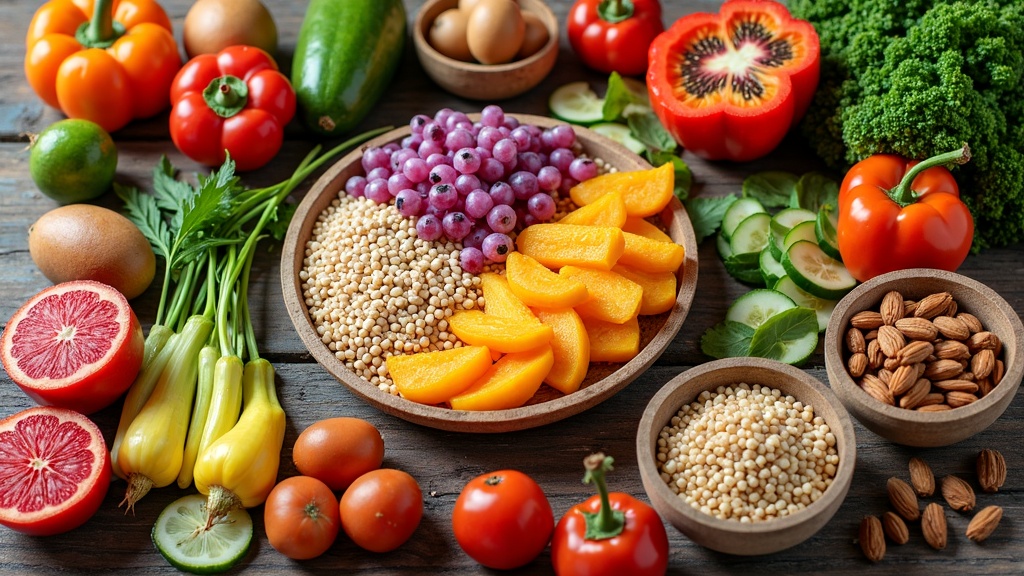
Harness the Power of Whole Grains
Whole grains like brown rice, quinoa, and oats are nutrition powerhouses that make balanced eating achievable. Unlike refined grains, they retain their fiber and essential nutrients, which support digestion and a steady release of energy throughout the day. Maria Sandoval, a nutrition expert, suggests starting your day with a bowl of oatmeal topped with fresh fruits and nuts for a hearty, fiber-rich breakfast.
The Versatility of Leafy Greens
Leafy greens such as spinach, kale, and arugula can transform any meal with their rich nutrient profile. Packed with vitamins A, C, K, and essential minerals, they serve as excellent bases for salads or as nutritious additions to smoothies. Jake Ferreira, a professional chef, recommends sautéing kale with garlic as a simple, flavorful side dish that complements virtually any protein.
Protein-Packed Legumes: A Meat-Free Alternative
Beans, lentils, and chickpeas are not only economical but also a rich source of plant-based protein and fiber. They can substitute meat in various recipes, thus supporting a plant-rich diet without compromising on nutrients. Kristen Lee, a dietitian, emphasizes including legumes in stews, soups, and salads for a satisfying meal that keeps you full for longer.
The Sweet Surprise: Fruits
Fruits like apples, berries, and bananas are nature's candy, offering a sweet treat without the added sugars found in processed desserts. They are perfect for snacking, adding to cereals, or blending into smoothies. Ethan Marley, a fitness coach, introduces the concept of freezing grapes or bananas for a refreshing and healthy treat on hot days.
Nuts and Seeds: Tiny But Mighty
Almonds, walnuts, flaxseeds, and chia seeds may be small in size but are incredibly dense in nutrients, providing healthy fats, protein, and fiber in one bite. Justine Parker, a holistic nutritionist, advises to sprinkle them over yogurt or a salad for a satisfying crunch that elevates both taste and nutritional value.
Embrace the Goodness of Fatty Fish
Fatty fish like salmon, mackerel, and sardines are renowned for their omega-3 fatty acids, which are critical for heart health. Regular inclusion of these fish in your diet can reduce the risk of heart disease while improving brain health. Benjamin Clark, a seafood enthusiast, suggests grilling salmon with herbs for a simple yet delectable dinner option.
Dairy Delights: More Than Just Calcium
Yogurt, cheese, and milk are traditional favorites that supply calcium for bone health, along with a good punch of protein. Greek yogurt, in particular, is an excellent option for those seeking a high-protein snack or breakfast base. Sarah Kim, a culinary artist, proposes using yogurt as the foundation for smoothies, dressings, or even as a creamy substitute for sour cream.
The Spice of Life: Herbs and Seasonings
Basil, thyme, cumin, and garlic are not just flavor enhancers but also support health with their anti-inflammatory and antioxidant properties. Spicing up your meals can transform simple ingredients into gourmet wonders. Nathan Chen, a culinary spice expert, encourages experimenting with a variety of spices to discover new combinations that suit your palate.
Water: The Most Essential Ingredient
Amidst all the foods that contribute to balanced living, water remains the most fundamental. Staying adequately hydrated is paramount to your health, aiding in digestion, nutrient transport, and overall wellness. To ensure regular intake, Jessica Lin, a wellness coach, recommends carrying a reusable water bottle as a constant reminder to refresh and replenish.