
In a world of quick meals and fast living, making healthy grocery choices can feel overwhelming. Fortunately, by adopting smart shopping habits, you can easily transition to a healthier lifestyle without sacrificing time or flavor. Let's explore innovative strategies to revolutionize your grocery experience.
Rethink Your Shopping List
Creating a well-structured shopping list is more than just jotting down items you think you need. Begin by planning your meals for the week, focusing on balanced nutrition. Use categories such as fruits, vegetables, proteins, and whole grains to ensure diversity and health in your diet. Kathryn, a nutrition coach, suggests using mobile apps that allow for easy categorization. This helps to streamline your shopping experience and prevent impulse buys.
Embrace the Power of Local Markets
Venturing into local farmers’ markets not only supports community growers but also provides access to fresher and often organically grown produce. Jessica, a farmer from a local co-op, shares that many markets offer seasonal items that encourage eating what's nutritionally dense and ripe. Plus, it's a great place to learn about new foods and how to prepare them.
Color Code Your Cart
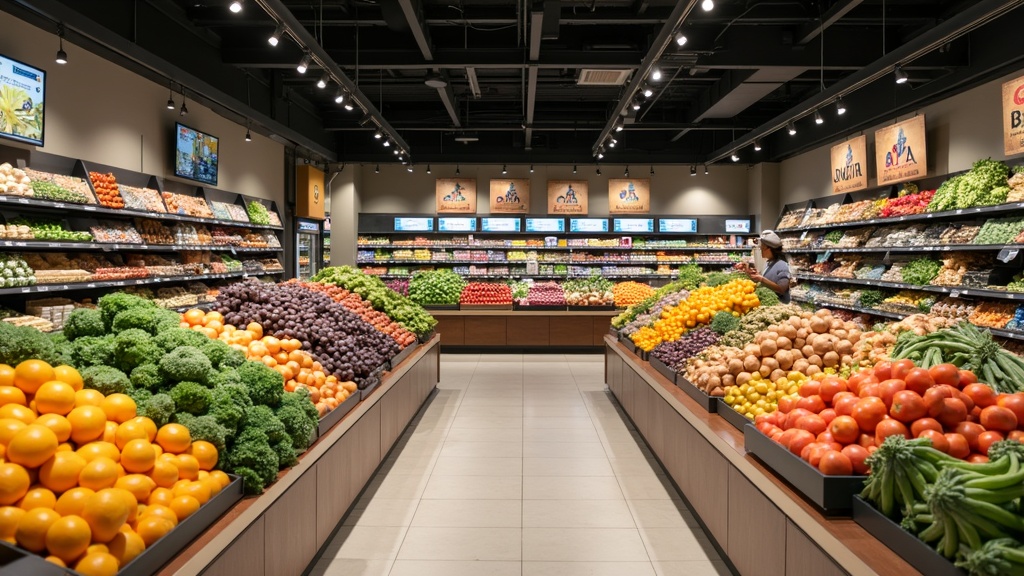
Drawing inspiration from nutritionists like Eva, consider categorizing your cart by color. Each color group—reds, greens, yellows—corresponds to different health benefits. For instance, green produce often contains antioxidants, whereas red items might be rich in vitamins. Use this visual guide as a fun and effective way to ensure a variety of nutrients in your meals.
Go Digital with Dietitian Apps
Technology can be your ally in crafting a healthier diet. Digital apps paired with dietitian consent can customize shopping lists based on dietary restrictions and health goals. Logan, a tech advocate, recommends apps that scan product barcodes for nutritional information, helping you make informed decisions right in the store.
Navigating the Supermarket with Intention
Supermarkets are strategically designed to subtly encourage impulse purchases. To counteract this, arm yourself with a map of the layout. Rebecca, a savvy shopper, advises starting in the produce section and circling the perimeter where healthier options usually reside, avoiding the temptation-heavy central aisles when possible.
Understanding Food Labels
The nutritional label holds all the secrets behind what's in your food. Jennifer, a food science expert, advises that learning to read these labels can demystify the ingredients and nutritional content. Checking for hidden sugars, fats, and sodium is crucial in making healthier choices. Knowledge here can prevent dietary pitfalls.
Meal Prepping for Success
Simplify your week with meal prep. Elijah, a meal prep artist, explains prepping as essential for maintaining a healthy diet amidst a busy schedule. Batch cook grains and proteins to mix and match with vegetables. This will ensure you always have a meal ready, reducing the reliance on processed convenience foods.
Bulk Buying Dos and Don'ts
Bulk buying can be economical but also tricky. Sarah, a bulk buying expert, suggests leveraging this for non-perishable healthy staples like whole grains, nuts, and spices. However, she cautions against buying fresh produce in bulk unless you plan to preserve it, as spoilage can lead to waste and scrap your health motives.
The Strategical Art of Coupons
Coupons are a double-edged sword in grocery shopping. Martin, a strategic shopper, emphasizes only using coupons for items you already intend to buy. This safeguard prevents the marketing tactics of leading you to unhealthy, unplanned purchases. Only hunt for deals on wholesome food choices that align with your meal plan.